Outdoor Philosophy
Safety Standards
Playtrail safety starts with practical product selection, clear use guidance, and gear that matches real kid movement. From outdoor shoes and protective gear to bottles, bags, training tools, and playground essentials, every active day should begin with the right fit, the right surface, and the right adult check.

Four checks before the first sprint.
Kids move quickly, change direction often, and turn ordinary spaces into play zones. Playtrail safety standards focus on smart preparation, product-use clarity, and simple family routines that make active days more controlled.
Fit first
Shoes, sportswear, bags, and protective gear should fit the child comfortably without restricting natural movement.
Use correctly
Each item should be used for its intended activity, whether that is trail walking, playground play, team practice, or scooter rides.
Check surfaces
Outdoor shoes and training tools perform best when the surface, weather, and play area are considered before starting.
Reset gear
After active days, inspect items for dirt, moisture, loose parts, worn areas, or anything that needs attention before reuse.
The safest gear is the gear checked before the run.
A quick adult review helps active kids start with more confidence. The goal is not to slow down the day; it is to catch loose laces, mismatched surfaces, damp gear, or missing protection before movement begins.


Safety changes by product type.
Kids outdoor products are not one-size-fits-all. Safety depends on fit, activity, age-appropriate use, adult supervision, and following any product-specific instructions provided with the item.
Safety works best as a repeatable habit.
The most useful standard is the one families can repeat. Keep safety checks simple enough for school mornings, team practice, park days, and weekend outdoor plans.
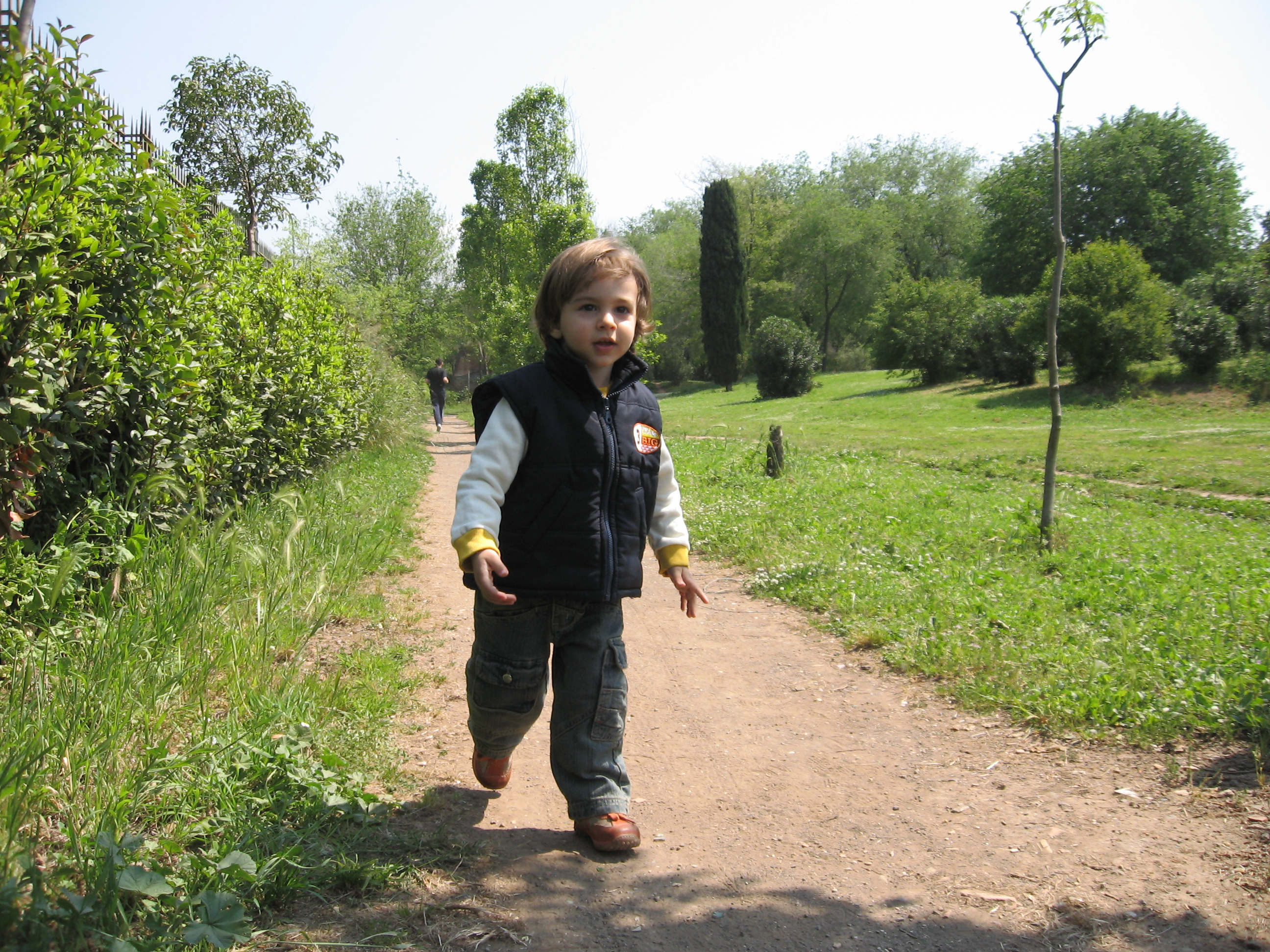
Check, match, move, reset.
Safety should feel like part of the active routine, not a separate task. Use this loop before playground movement, outdoor trails, scooter days, school sports, and team practice.
Check the setup
Look at shoes, straps, laces, pads, weather, surface, and space before the first fast movement begins.
Match the activity
Choose gear based on what the child is doing. Trails, courts, scooters, and playgrounds ask for different support.
Reset after play
Clean and dry gear, inspect closures and high-wear areas, then pack items so the next active day starts smoothly.
Quick standards notes.
These notes are general guidance for Playtrail product categories. Always follow product-specific instructions, labels, and activity requirements when they apply.
How should kids shoes be checked before play?
Confirm that the fit feels secure, closures are fastened, socks are comfortable, and the outsole is appropriate for the surface and activity.
When should protective gear be used?
Protective gear should be matched to the activity. Scooter, skating, cycling, balance, and high-movement routines may require pads, helmets, or supports based on adult judgment and local safety rules.
Are training tools safe for indoor and outdoor use?
Training tools should be used with enough open space, clear footing, and supervision. Avoid crowded areas, slippery surfaces, and spaces with obstacles nearby.
How often should gear be inspected?
Inspect active gear before use and again after heavy play, wet conditions, dusty trails, team practice, or any moment when gear looks worn, damp, loose, or damaged.
Choose gear with the day in mind.
Safety standards work best when product choice matches the activity, surface, fit, and level of supervision. Browse Playtrail gear for kids outdoor movement, or contact us for support before choosing shoes, protective gear, bags, bottles, or training essentials.
- Email: info@playtrail.lat
- Phone: 9127012432
- Address: 218 TRALEE CIRCLE Fairburn GA 30213
- Shipping: 3–5 business days